


Neobladder Procedure: Comprehensive Patient Guide
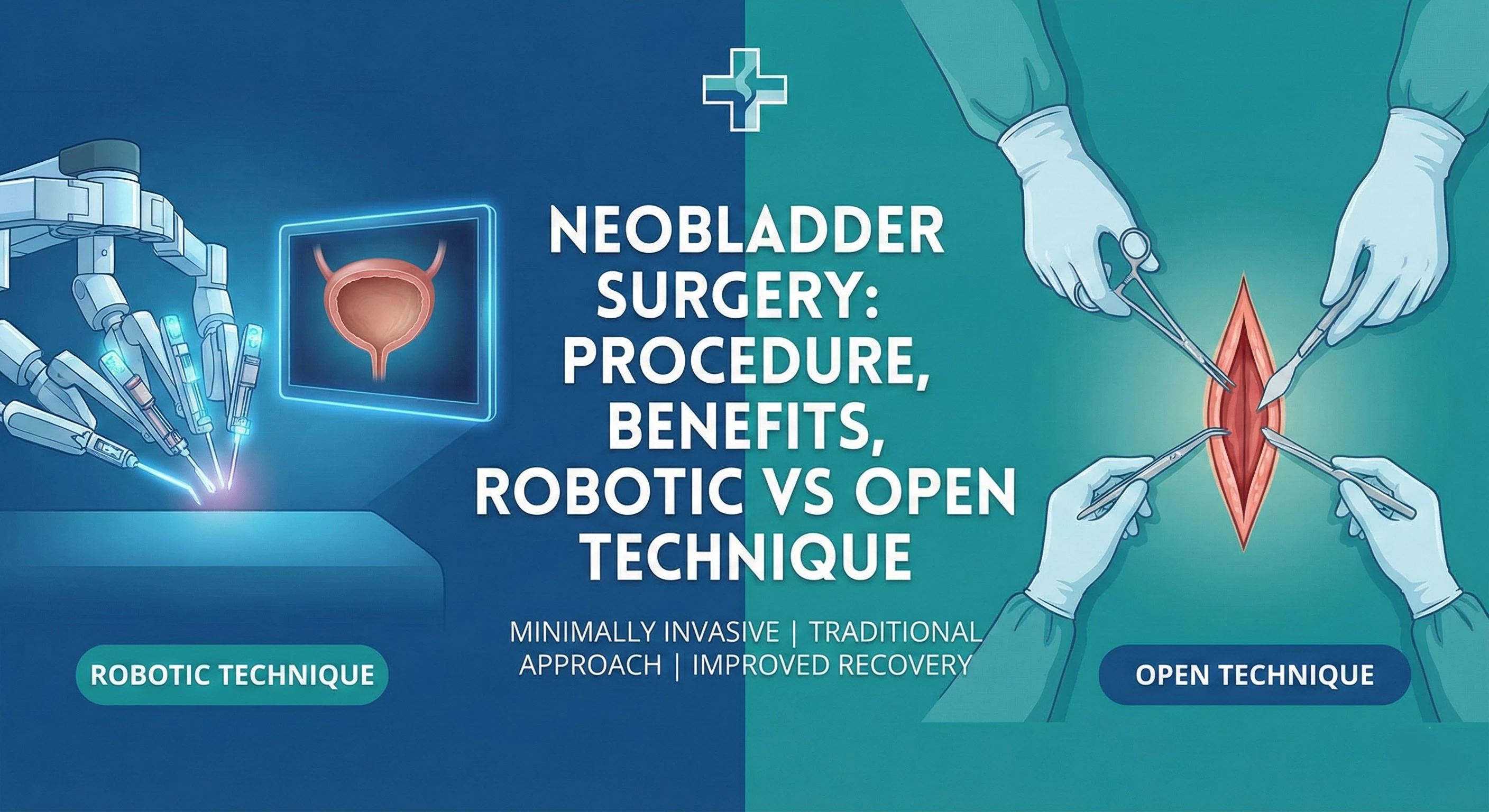
Table of Content:
- What is a Neobladder?
- How is Neobladder Constructed
- How does Neobladder Function
- Neobladder vs Ileal Conduit
- Ideal Candidates for Neobladder Surgery
- Why Choose a Neobladder?
- Robotic Neobladder Surgery
- Benefits of Robotic Neobladder Surgery
- What to Expect After Neobladder Surgery
- Best Surgeon and Hospital for Robotic Neobladder Surgery in India
- Faqs about Neobladder Surgery
Bladder cancer surgery patients are often left in a dilemma whether to choose a permanent stoma with an ileal conduit or restore normal urination with a neobladder after readical cystectomy.
The majority of the patients ultimately choose ileal conduit due to various myths associated with neobladder and circumstances: lack of neobladder expertise, complex and time-consuming surgery & higher complication rates.
However, access to the right uro oncologist working at high-volume neobladder surgery centres can drastically decrease neobladder complications.
In this blog, you'll explore the life-changing procedure of neobladder surgery, a reconstructive option for those undergoing radical cystectomy as part of their bladder cancer treatment.
Dr Rohan Patel, a leading Bladder Cancer Specialist in India at Apollo Hospital Ahmedabad and Ananta Urology Clinic, will guide you through what a neobladder is, how it compares to other urinary diversion options like the ileal conduit, and the benefits of choosing robotic surgery for this complex procedure.
You'll also gain insights into the recovery process, potential outcomes, and how a uro oncologist can make all the difference in your bladder cancer treatment journey.
What is Neobladder Procedure?

A neobladder is a reconstructive surgical procedure where a new bladder is created from a part of intestines (small or large) after bladder has been removed. It is primarily indicated for bladder cancer patients that have undergone bladder removal surgery. It is also indicated for other benign cases where bladder is removed or has become insufficient. Unlike other urinary diversion methods like ileal conduit that rely on permanent external devices, a neobladder is designed to function as closely as possible to a natural bladder, allowing the patient to urinate through the urethra in a normal manner.
How is Neobladder Constructed
The construction of a neobladder is a complex procedure. During surgery, the uro oncologist selects a portion of the small intestine—usually about 45-75 cm in length—and reshapes it into a spherical or pouch-like structure similar to a normal urinary bladder.
This neobladder is then connected to the ureters, which are the tubes that carry urine from the kidneys. The other end of the neobladder is attached to the urethra, the tube that allows urine to exit the body. The surgical connection between the neobladder and the urethra is a critical step, as it determines how well the new bladder will function.
How does Neobladder Function
The primary goal of a neobladder is to allow the patient to maintain as normal a urinary function as possible after the removal of the natural bladder. Unlike other forms of urinary diversion, such as an ileal conduit (where urine is diverted to an external bag), a neobladder is intended to store urine inside the body, much like a natural bladder.
Neobladder allows for controlled urination, giving patients a greater sense of normalcy and independence. Over time, patients learn to manage the neobladder, which involves retraining the muscles and nerves to control urination effectively.
Neobladder vs Ileal Conduit
When bladder removal is necessary, patients generally have two main options for urinary diversion: the neobladder or the ileal conduit.
An ileal conduit involves creating a stoma (an opening on the abdomen) and attaching an external bag where urine is collected. While effective, this method requires the patient to manage an external appliance for the rest of their life, which can be inconvenient and impact the patient’s self-image.
In contrast, a neobladder eliminates the need for an external bag, offering a more discreet and natural way of urinating. However, the choice between a neobladder and an ileal conduit depends on several factors, including the patient’s overall health, kidney function, and the ability to manage the post-operative care and retraining required for a neobladder.
Ideal Candidates for Neobladder Surgery :
Not everyone is a candidate for a neobladder. The best candidates are typically those who are in good overall health and have strong kidney function, as the surgery is complex and requires a robust recovery process. Additionally, patients need to be committed to the post-surgery retraining required to effectively use the neobladder. Factors such as age, prior health conditions, and the stage of bladder cancer are also considered when determining if a neobladder is the right option.
Choosing to undergo neobladder surgery is a significant decision, and it's crucial to have a thorough discussion with your uro oncologist to understand the benefits and challenges of this procedure. The ultimate goal is to provide a solution that best aligns with the patient’s lifestyle and medical needs, allowing them to regain as much normalcy and independence as possible after bladder cancer treatment.
Why Choose a Neobladder?
When facing the prospect of bladder removal, patients are often confronted with significant decisions about how their urinary function will be managed post-surgery. One of the most advanced and life-changing options available is the creation of a neobladder. But why choose a neobladder over other urinary diversion methods?
1. A More Natural Way of Urinating
One of the most compelling reasons to choose a neobladder is its ability to mimic the function of a natural bladder. Unlike other urinary diversion methods, such as an ileal conduit, which requires the use of an external bag to collect urine, a neobladder allows you to urinate through the urethra. This means you can maintain a normal urination process, giving you a greater sense of normalcy and control over your body after surgery. The ability to avoid an external appliance is a significant advantage for many patients, particularly when it comes to quality of life and self-image.
2. Improved Quality of Life
The psychological and social benefits of a neobladder cannot be overstated. Patients who undergo neobladder surgery often report a higher quality of life compared to those who use other forms of urinary diversion. The absence of an external bag eliminates concerns about leaks, odours, and the visibility of the appliance, which can be particularly important for those who lead active lives. Being able to urinate normally can also reduce the stigma and embarrassment that some patients feel after bladder removal, allowing them to feel more confident in public and social settings.
3. Elimination of External Appliances
Choosing a neobladder means you won’t need to manage an external urinary bag, as required with other diversion methods like an ileal conduit. This can be particularly appealing for those who are concerned about the maintenance and care of an external appliance. Without the need to change and clean an external bag, patients often find that their daily routine is simpler and more manageable. Additionally, the absence of an external appliance reduces the risk of skin irritation and infections, which can occur when using a stoma bag.
4. Long-Term Cost Savings
While the initial surgery to create a neobladder can be more complex and time-consuming than other urinary diversion methods, it may lead to long-term cost savings. Patients who use external urinary appliances often incur ongoing costs for supplies, such as bags, adhesives, and skin protectants. Over time, these expenses can add up. A neobladder eliminates these recurring costs, as it functions internally without the need for additional supplies, making it a more cost-effective option in the long run.
5. Active Lifestyle Compatibility
For individuals who lead an active lifestyle, a neobladder can be particularly beneficial. Whether you enjoy sports, travel, or outdoor activities, the freedom from an external bag allows you to participate fully without the worry of managing a stoma or the potential embarrassment of leaks. The neobladder’s ability to store urine internally and allow for normal urination means that patients can continue their favourite activities with fewer restrictions and greater confidence.
6. Robotic Surgery
The advent of robotic surgery has made the creation of a neobladder more precise and less invasive. In the next paragraph, we will highlight how robotic surgery has increased neobladder surgery uptake by patients and uro oncologists in India.
Robotic Neobladder Surgery
1. What is robotic-assisted Neobladder surgery?
2. Advantages of robotic surgery for neobladder construction
3. The role of the robotic surgeon
Robotic-assisted surgery is revolutionising the way complex procedures like neobladder construction are performed. This technique utilises Da Vinci robotic surgery technology to enhance the surgeon’s precision, control, and visualisation. During a robotic radical cystectomy, the surgeon controls robotic arms equipped with surgical instruments from a console, performing the surgery through small incisions.
The benefits of robotic surgery are particularly significant when it comes to neobladder construction. The increased precision allows for better preservation of surrounding tissues, reduced blood loss, and a lower risk of complications. Patients who undergo robotic-assisted surgery often experience shorter hospital stays, quicker recovery times, and improved overall outcomes. Choosing a highly skilled robotic surgeon, especially one experienced in bladder cancer treatment, is crucial for achieving the best results.
Key Benefits of Robotic Neobladder Surgery
1. Minimally invasive with faster recovery
2. Enhanced precision and lower risk of complications
3. Better functional outcomes and quality of life
4. Shorter hospital stay and faster return to normal activities
1. Minimally Invasive with Faster Recovery :
Robotic-assisted neobladder surgery is minimally invasive, meaning it requires smaller incisions than traditional open surgery.
Traditional open cystectomy with neobladder required a large incision (>15 cm) in the abdomen. This was associated with an increased risk of wound infection, wound dehiscence, delayed recovery, and delayed bowel movements.
Robotic cystectomy is done with 4-5 small incisions of less than 1 cm. This leads to less trauma to the body, less pain after the operation, and a quicker recovery time. Most patients can return home sooner and get back to their regular activities more quickly compared to those who undergo open surgery.
2. Enhanced Precision and Lower Risk of Complications :
The advanced robotic technology used in this procedure provides the surgeon with a high-definition, 3D view of the surgical site, along with highly precise instruments that can move in ways the human hand cannot.
There is scaling in the movement of robotic instruments which negates the transmission of tremors. Moreover, 10X magnification and 3-dimension picture of the robotic camera provide unparalleled vision and clarity to the uro oncologist surgeon while doing cystectomy. This allows for meticulous dissection and suturing of the bowel, reducing the risk of complications such as infection or damage to surrounding tissues.
3. Better Functional Outcomes and Quality of Life :
A key advantage of the robotic approach for neobladder is the improved functional outcomes it offers. Patients who undergo robotic neobladder surgery often experience better control over their new bladder, with a quicker return to normal urinary function. This leads to a better overall quality of life, as the neobladder allows for a more natural lifestyle without the need for external appliances.
4. Shorter Hospital Stay and Faster Return to Normal Activities :
The minimally invasive nature of robotic surgery not only reduces recovery time but also shortens the duration of hospital stays. Traditionally open cystectomy patients had hospital stay of 10-15 days. This was due to delayed bowel movements and pain at the incision site. With robotic radical cystectomy patients’ hospital stay is typically halved to 5-7 days. Patients typically spend fewer days in the hospital and can resume their normal activities, including work and exercise, much sooner than those who undergo traditional surgery.
Recovery and What to Expect After Neobladder Surgery
1. Immediate post-surgery care
2. Retraining the neobladder
3. Long-term outcomes and lifestyle adjustments
Recovery from neobladder surgery involves several stages, beginning with immediate post-operative care. Patients will typically stay in the hospital for a few days to a week, during which time they will be monitored for any complications. Pain management and wound care are important during this phase, and patients will gradually transition from IV fluids to a regular diet.
Once at home, the focus shifts to retraining the neobladder. Because the neobladder is made from intestinal tissue, it does not have the same nerve connections as a natural bladder. Patients will need to learn how to empty their new bladder regularly to prevent overfilling and stretching. This retraining process can take several months, and patients will need to work closely with their healthcare team to ensure success.
In the long term, most patients find that their neobladder provides them with a good quality of life. While some lifestyle adjustments are necessary, such as learning to manage nighttime urination, the ability to urinate normally during the day is a significant benefit. Regular follow-up appointments are crucial to monitor the health of the neobladder and to address any issues that may arise.
Best Surgeon for Robotic Neobladder Surgery in India
Dr Rohan Patel is recognized as a pioneer in Robotic Surgery in India and leading surgeon for Robotic Neobladder Surgery with extensive experience of 500 robotic surgeries and 1000 bladder cancer patients.
1. The importance of experience in robotic surgery
2. Selecting the best hospital for robotic surgery
3. The role of the uro oncologist in bladder cancer treatment
When considering neobladder surgery, the experience of the uro oncologist surgeon and the quality of the hospital are critical factors that can significantly influence outcomes. Robotic-assisted cystectomy and neobladder surgery require specialised training and a high level of skill. Therefore, it’s essential to choose a uro oncologist who is not only experienced in bladder cancer treatment but also proficient in robotic surgery.
Ahmedabad, India is home to some of the best hospitals for robotic surgery, offering state-of-the-art Da Vinci robot facilities and a team of highly skilled uro oncologists. Our uro-oncologists have years of experience in bladder cancer management and are the best doctors to guide you through every step of your treatment journey, from diagnosis to post-operative care.
Neobladder surgery represents a significant advancement in the treatment of bladder cancer, offering patients a chance to maintain a more natural way of life after radical cystectomy. With the benefits of robotic surgery, including greater precision, fewer complications, and a quicker recovery, patients can look forward to improved outcomes and quality of life.
Frequently Asked Questions
How do you pee with a neobladder?
After neobladder surgery, urine passes through a new bladder created from a small segment of intestine. Most patients urinate through the natural urinary passage (urethra), allowing them to pass urine without an external urine bag. Initially, patients may need to learn how to relax pelvic muscles and gently strain abdominal muscles to empty the neobladder completely. Over time, many patients adapt well and regain near-normal urinary function.
What is the life expectancy after neobladder surgery?
Neobladder surgery itself does not usually reduce life expectancy. Long-term survival mainly depends on the stage and aggressiveness of the bladder cancer, overall health, kidney function, and response to cancer treatment. Many patients live active and fulfilling lives for years after robotic cystectomy and neobladder in India.
Who is not a candidate for a neobladder?
A neobladder may not be suitable for patients with:
- Advanced kidney disease
- Poor liver function
- Cancer involving the urethra
- Severe bowel disease
- Significant urinary incontinence
- Poor physical fitness for major surgery
Careful evaluation by an experienced uro-oncology and robotic surgery team is important before deciding the best urinary diversion option.
How painful is neobladder surgery?
Neobladder surgery is a major operation, but pain is usually well controlled with modern anesthesia, epidural analgesia, and minimally invasive robotic surgery techniques. Most patients experience manageable discomfort during the first few days after surgery, with gradual improvement during recovery.
How many hours does neobladder surgery take?
Robotic radical cystectomy with intracorporeal neobladder reconstruction typically takes around 4 to 6 hours, depending on:
- Complexity of the cancer
- Previous surgeries
- Patient anatomy
- Extent of lymph node removal
- Robotic vs Open Surgery
- High volume center vs Low volume center
The procedure is highly specialized and requires advanced robotic uro-oncology expertise.
Can you still pee after your bladder is removed?
Yes. With neobladder reconstruction, patients can usually pass urine through the natural urinary passage even after bladder removal surgery. This is one of the main advantages of a neobladder compared to an external urine bag (ileal conduit).
What are the side effects of a neobladder?
Possible side effects of neobladder surgery may include:
- Temporary urinary leakage
- Night-time incontinence
- Difficulty emptying urine completely
- Need for intermittent catheterization in some patients
- Urinary infections
- Electrolyte imbalance
- Rare bowel-related complications
Most patients improve significantly with time, pelvic floor exercises, and proper follow-up care.
Do you need a catheter with a neobladder?
Immediately after surgery, temporary catheters are required during healing. Long term, many patients urinate normally without a catheter. However, some individuals may occasionally require clean intermittent self-catheterization if the neobladder does not empty fully.
Can you live a normal life after bladder removal surgery?
Many patients return to a highly functional and active lifestyle after neobladder reconstruction. With recovery, patients can often:
- Travel
- Exercise
- Work
- Socialize normally
- Maintain independence
Quality of life after robotic neobladder surgery can be excellent in properly selected patients.
What are the alternatives to a neobladder?
Alternatives to neobladder reconstruction include:
Ileal Conduit
A urinary diversion using an external urine collection bag attached to a stoma.
Continent Cutaneous Reservoir
An internal urine pouch emptied using a catheter through a small abdominal opening.
The ideal option depends on cancer characteristics, age, kidney function, lifestyle, and patient preference.
Can a neobladder cause kidney problems?
If urine does not drain properly or recurrent infections occur, kidney function can be affected over time. Regular follow-up, imaging, blood tests, and proper neobladder emptying techniques help minimize long-term kidney complications.
Is robotic neobladder surgery better than open surgery?
Robotic neobladder surgery may offer advantages such as:
- Smaller incisions
- Less blood loss
- Faster recovery
- Reduced pain
- Earlier mobilization
Outcomes depend significantly on surgeon experience and cancer stage.
How long is recovery after neobladder surgery?
Initial recovery usually takes 4–6 weeks, while full adaptation to neobladder function may continue improving over several months.
Is neobladder surgery safe?
In experienced robotic uro-oncology centers, neobladder reconstruction is considered a safe and effective option for selected bladder cancer patients.
Can you control urination with a neobladder?
Many patients achieve good daytime urinary control over time. Night-time leakage may initially occur but often improves gradually with pelvic floor rehabilitation and bladder training.
How do you empty a neobladder?
A neobladder is emptied by relaxing the pelvic floor muscles and gently increasing abdominal pressure, similar to natural urination. Since the reconstructed bladder does not have the same nerve signals as a normal bladder, patients usually learn timed voiding techniques after surgery. Some patients may occasionally require clean intermittent self-catheterization if the neobladder does not empty completely.
Is bladder removal surgery considered major surgery?
Yes. Radical cystectomy with neobladder reconstruction is considered a major uro-oncology surgery. It involves removal of the urinary bladder and reconstruction of a new bladder using a segment of intestine. Advancements in robotic surgery in India have significantly improved recovery, reduced blood loss, minimized pain, and shortened hospital stay compared to traditional open surgery.
What is the success rate of neobladder surgery?
Neobladder surgery has a high success rate in carefully selected patients when performed by experienced robotic surgeon in India. Many patients achieve good daytime urinary control, preserved quality of life, and the ability to pass urine naturally without an external urine bag. Long-term success depends on:
- Cancer stage
- Surgical expertise
- Kidney function
- Patient rehabilitation and follow-up
What is neobladder irrigation?
Neobladder irrigation is a process used after surgery to flush mucus and debris from the newly constructed bladder. Since the neobladder is made using intestinal tissue, mucus production is common initially. Irrigation helps prevent blockage, infection, and catheter obstruction during the early recovery period.
Neobladder vs ileal conduit: Which is better?
Both neobladder and ileal conduit are effective urinary diversion options after bladder removal surgery.
Neobladder Advantages
- No external urine bag
- Urination through natural passage
- Better body image for selected patients
Ileal Conduit Advantages
- Shorter surgery
- Simpler urinary drainage
- May be safer in frail or high-risk patients
The best option depends on:
- Cancer characteristics
- Age and fitness
- Kidney function
- Lifestyle preferences
- Surgeon assessment
Can a neobladder cause infections?
Yes, urinary tract infections can occur after neobladder surgery, especially during the initial recovery period. Risk factors include:
- Incomplete emptying
- Residual urine
- Catheter use
- Mucus buildup
Proper hydration, regular emptying, follow-up care, and occasional irrigation help reduce infection risk.
What is the cost of neobladder surgery in India?
The neobladder surgery cost in India depends on several factors, including:
- Type of surgery (robotic or open)
- Hospital infrastructure
- ICU stay
- Surgeon expertise
- Length of hospitalization
- Complexity of bladder cancer treatment
Robotic neobladder surgery is a highly specialized advanced uro-oncology procedure and may involve higher initial costs, but it can offer benefits such as reduced blood loss, faster recovery, and shorter hospital stay. Robotic Neobladder cost ranges from Rs 7 to 8 lakhs, open neobladder cost ranges from Rs 5 to 6 lakhs.
Medically Reviewed By

Dr. Rohan Patel
Consultant Uro-Oncologist, Urologist & Robotic Surgeon
Specialist in Robotic Uro-Oncology & Urology Surgery