

Best Testicular Cancer Specialist in Ahmedabad, India | Dr Rohan Patel | Robotic RPLND
TESTICULAR CANCER TREATMENT OVERVIEW
Testicular cancer originates in the male reproductive organ known as the Testis. Hearing a diagnosis of testicular cancer can be an overwhelming experience for any young man or his family. However, it is vital to understand that testicular cancer is one of the most highly curable solid tumors in modern medicine, boasting a cure rate that exceeds 95% when managed by an expert multidisciplinary team. Achieving an absolute cure requires an optimal combination of prompt, accurate diagnosis, world-class surgical precision, and a highly personalized treatment strategy.
Dr Rohan Patel is regarded as the best Testicular Cancer specialist in Ahmedabad, India and a pioneer of Robotic RPLND in India with more than 15 years of expertise and 500+ robotic surgeries to his credit.
At Ananta Urology & Robotics Clinic & Apoll hospital Ahmedabad, Dr Rohan Patel provides a dedicated and evidence based treatment of testicular cancer for patients seeking advanced & state-of-the-art treatment protocols. Spearheaded by Dr. Rohan Patel, our center has established itself as a referral center for patients in India and abroad seeking nerve sparing robotic RPLND. Our primary goals are curing the cancer, preserving your fertility, and protecting your sexual function.
Seeking an Expert Testicluar Cancer Specialist Opinion?
Whether you have discovered a sudden testicular lump or require a comprehensive second opinion for advanced masses, our uro-oncology suite provides absolute privacy and expedited testing paths.
Schedule Consultation
Robotic RPLND
Better Outcomes

Why Choose Dr. Rohan Patel for Testicular Cancer Treatment in India?
Dr Rohan Patel is regarded as the best doctor for testicular cancer treatment in India providing comprehensive & latest diagnositic and therapeutic services for ranging from radical inguinal orchiectomy to surveillance, chemotherapy, or advanced nerve sparing robotic retroperitoneal lymph node dissection (RPLND) depending on the stage and pathology of the tumor. Modern robotic surgery allows precise removal of cancerous lymph nodes with smaller incisions, less pain, faster recovery, and improved preservation of ejaculation-related nerves in selected patients.
- Highly Experienced Team: Led by Dr. Rohan Patel, an internationally trained specialist bringing elite robotic precision to complex retroperitoneal masses.
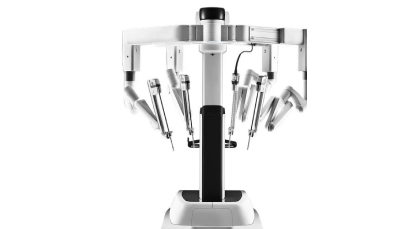
- State-of-the-Art Technology: Equipped with the advanced DaVinci Xi Robotic System for Nerve-Sparing RPLND surgeries.
- Stringent Infection Control: Dedicated operation suites adhering to the strictest international sterilization protocols to prevent post-operative complications.
- Global & National Trust: Patients from across Gujarat, India, as well as international patients from Gulf, Africa, Europe, USA, Asia routinely visit our center for accessible, international-standard Robotic Surgery for testicular cancer.

0+
Years of Expertise

0+
Satisfied Patients

0+
Successful Robotic Surgeries

Comprehensive Cancer Team

Top-Rated Urooncologist

Fellowship from Vattikuti Foundation (USA)
Testicular Cancer Treatment in India: Our Services
Click on any core specialization below to explore its comprehensive treatment depth, nerve-sparing techniques, and surgical protocols outlined later on this page.
Robotic RPLND vs Open RPLND
Clearing deep abdominal lymph nodes requires specialized technology. See why robotic-assisted technology has revolutionized recovery metrics.
Traditional Surgical Morbidity
Open Retroperitoneal Dissection
Requires a massive midline abdominal incision stretching from the lower chest bone all the way down to the pubic bone (approximately 20 to 25 cm). This severe exposure results in cut abdominal muscles and significant postoperative pain.
- Mandatory hospitalization spans 7 to 10 days with intensive acute care monitoring.
- Extended recovery window of 6 to 8 weeks before returning to basic daily routines.
- Elevated clinical risks of major blood loss, wound infections, and bowel fluid leaks.
- Infertility Risk: Extreme visualization limits often result in accidental disruption to sympathetic nerves, causing lifelong retrograde ejaculation (dry orgasms).
Advanced DaVinci Precision
Nerve-Sparing Robotic RPLND
Utilizes the state-of-the-art DaVinci Xi robotic surgical platform to clear the identical retroperitoneal zones through 4 to 5 keyhole incisions measuring under 1 cm each, sparing the abdominal muscle wall entirely.
- Fertility Preservation: 10x high-definition 3D magnification allows safe separation of microscopic ejaculation nerves from surrounding tumor nodes.
- Minimal blood loss, virtually eliminating blood transfusion requirements.
- Rapid hospital discharge typically within 2 to 3 days.
- Expedited return to work or professional routines inside 1 to 2 weeks.
Your Recovery Pathway: The Patient Journey
We maintain a seamless, highly organized clinical workflow to safely guide each young patient from initial consult to a complete cancer-free cure.
Step 1: Rapid Private Evaluation & Tumor Markers
Prompt intake examination paired with immediate high-definition scrotal ultrasound and serum marker baseline blood draws (AFP, Beta-hCG, LDH) to confirm deep tissue status.
Step 2: Proactive Fertility Sperm Banking
Immediate referral to our dedicated cryopreservation cryo-labs to safeguard long-term family building options before any active medical or surgical lines begin.
Step 3: Radical Inguinal Orchidectomy Surgery
Groin incision primary resection to remove the primary malignant site without scrotal violation. Cosmetic silicone prostheses are seamlessly matched and implanted here if requested.
Step 4: Tumor Board Staging & Personalized Routing
Our specialized multidisciplinary oncology board reviews cross-sectional CT lines and pathology features to route you accurately toward active surveillance, chemotherapy, or precision surgery.
Step 5: Definitive Clearance & Dedicated Surveillance
Execution of advanced Nerve-Sparing Robotic RPLND if required, followed by long-term clinical checkups ensuring complete remission stability.
Testicular Cancer Symptoms and Signs
Testicular cancer typically presents as a silent, painless growth. Many young men ignore early signs due to a lack of awareness or hesitation to discuss genital health with a testis doctor. Knowing what to look for can save your life:
- Painless Lump or Mass: A hard, painless nodule or lump felt on the body of the testicle. This is the hallmark early sign.
- Testicular Swelling or Size Change: A sudden or gradual enlargement of one testicle, causing a visible asymmetry in the scrotum.
- Scrotal Heaviness: A persistent sensation of weight, fullness, or a dull pulling feeling in the scrotal sac.
- Dull Ache: Discomfort or a persistent dull ache felt in the lower abdomen, groin, or scrotum.
- Sudden Fluid Accumulation: A sudden accumulation of fluid within the scrotal sac (known as a reactive hydrocele).
- Gynecomastia (Breast Tenderness/Growth): Certain germ cell tumors secrete high levels of the Beta-hCG hormone. This hormonal spike can cause unexpected breast tissue tenderness or enlargement in young men.
- Back Pain & Advanced Markers: Persistent pain in the lower back area, which occurs when enlarged retroperitoneal lymph nodes compress the posterior abdominal muscles. Stage 4 testicular cancer symptoms can manifest as respiratory discomfort, shortness of breath, or persistent coughing if cells transit into the lungs (metastasis).
Testicular Cancer Causes and Risk Factors
While the exact genetic switch that triggers testicular carcinogenesis isn't completely mapped out, specific clinical conditions heavily pre-dispose a young man to this disease:
- Cryptorchidism (Undescended Testis): This is the most significant risk factor. Men born with a testicle that failed to descend naturally into the scrotum during development carry up to a 10-fold higher risk, even if surgical correction (orchiopexy) was performed during infancy.
- Personal or Family History: Having a father or brother diagnosed with a testicular germ cell tumor increases your genetic risk. Similarly, a patient who has beat cancer in one testicle faces an elevated risk of developing a new primary tumor in the remaining testicle.
- Testicular Microlithiasis: The presence of thousands of microscopic calcifications scattered throughout the tissue—visible as a "starry sky" pattern on ultrasound lines—can identify high-risk dynamics. Finding a chronic calcium deposit in the testicle requires systematic clinical monitoring.
- Male Infertility: Clinical data shows a strong correlation between underlying spermatogenic failure, poor semen quality, and an increased incidence of testicular cancer.
Types of Testicular Cancer
Testicular malignancies are broadly classified based on the types of cells the cancer originates from. Over 95% of all cases are Germ Cell Tumors (GCT), which are split into two major pathological categories:
1. Seminomas
Seminomas account for roughly half of all testicular cancer diagnoses. They tend to grow, mature, and spread at a significantly slower rate than non-seminomas. Seminomas are highly responsive to both radiation therapy and systemic chemotherapy. They are further subclassified into classical seminomas (most common in young men) and spermatocytic seminomas (more common in older men).
2. Non-Seminomatous Germ Cell Tumors (NSGCT)
Non-Seminomas are more aggressive tumors that tend to develop earlier in life and spread rapidly to the lymph nodes and lungs. They often consist of a mix of different cancerous cell lines, including:
- Embryonal Carcinoma: A highly aggressive, fast-growing cell type that exhibits early systemic tendencies.
- Yolk Sac Carcinoma: The most common form found in children, highly responsive to therapy lines.
- Choriocarcinoma: A very rare and aggressive cell line that tends to spread rapidly through the bloodstream.
- Teratoma: Chemotherapy-resistant and radiation-resistant cells that must be treated via surgical removal (RPLND).
Comprehensive Testicular Cancer Treatment Options In Detail
The management of testicular cancer requires a highly strategic, stage-by-stage multimodality approach. Depending on pathology and anatomical spread, your treatment plan will utilize the following solutions:
1. Radical High Inguinal Orchidectomy
The absolute primary step for any suspected testicular malignancy is a radical high inguinal orchidectomy. This procedure involves removing the affected testicle and the spermatic cord through a precise incision in the groin area. It is medically critical that this surgery is *never* performed through the scrotum, as doing so can alter the natural lymphatic drainage and cause the cancer to seed into other tissues.
Cosmetic Testicular Prosthesis: We deeply understand the psychological and emotional impact that losing a testicle can have on a young man's body image. To address this, Dr. Rohan Patel offers the manual implementation of a premium, biocompatible silicone testicular prosthesis (implant) during the same surgical session, ensuring a natural cosmetic feel and look.
2. Robotic RPLND : Nerve-Sparing
Performed via keyhole ports using the DaVinci Xi, this approach targets lymphatic lines deep within the retroperitoneum with 10x magnification. The focus is structural cancer elimination combined with absolute protection of microscopic nerve structures to preserve natural ejaculation pathways.
3. Open RPLND Surgery
Reserved for complex post-chemotherapy rescue scenarios where extensive scar tissues or large residual teratoma masses have fused to major vessels. Open surgical lines ensure reliable resection margins under maximum visual tactile control.
4. Active Surveillance Programs
For low-risk Stage I presentations, ongoing interventions can sometimes be safely deferred. Rigorous, timed chest-abdomen CT scans and marker blood surveillance profiles allow delayed care to be safely initiated only if an active recurrence is proven.
5. Systemic Chemotherapy Protocols
Chemotherapy is highly effective against germ cell tumors. It utilizes standard platinum-based multi-cycle drugs (such as BEP or EP regimens) to manage microscopic systemic cells, advanced nodal tracks, or distant disease progression.
6. Adjuvant Radiation Therapy
Employs targeted external high-energy X-ray beams to disrupt localized lymph arrays in the abdomen, applied almost exclusively to prevent recurrence in specific Seminoma tumor tracks.
7. Proactive Sperm Banking & Fertility Preservation
Our primary survivorship initiative. Because urological cancer therapies can temporarily or permanently alter sperm production, cryogenic freezing of healthy samples is performed before initiating active treatment plans. These samples can be safely stored for decades without any degradation in quality, giving our patients absolute peace of mind that conquering cancer does not cost them their dream of starting a family.
Robotic Retroperitoneal Lymph Node Dissection (Robotic RPLND)
When testicular cancer spreads, it predictably travels first to the retroperitoneal lymph nodes located deep in the back of the abdomen, wrapping around the body's main blood vessels (the aorta and the inferior vena cava). Clearing these lymph nodes through an intervention called Retroperitoneal Lymph Node Dissection (RPLND) is critical to achieving a definitive cure, particularly for Non-Seminomatous Germ Cell Tumors (NSGCT).
The Evolution: Open Surgery vs. The Robotic Advantage
Traditionally, an Open RPLND was the only available method to clear these nodes. This highly invasive traditional open surgery requires a massive abdominal incision stretching from the lower chest bone all the way down to the pubic bone (approximately 20 to 25 cm).
While effective at clearing tumors, Open RPLND is notorious for its severe surgical morbidity. It involves cutting through major abdominal muscles, resulting in intense postoperative pain, a mandatory hospital stay of 7 to 10 days, a large visible scar, and a prolonged, painful recovery time of 6 to 8 weeks. Furthermore, the risk of significant blood loss, wound infections, bowel obstructions, and fluid leaks (such as chylous ascites) is considerably higher.
The Robotic RPLND Advantage: As a pioneer of minimally invasive uro-oncology, Dr. Rohan Patel utilizes the state-of-the-art DaVinci Xi robotic surgical system to perform Robotic Retroperitoneal Lymph Node Dissection (R-RPLND). Instead of a massive open incision, the entire complex procedure is performed through 4 to 5 tiny, keyhole incisions (under 1 cm each) in the abdomen.
The robotic platform provides the surgeon with a 3D, high-definition view amplified up to 10x magnification, along with wristed instruments that possess a range of motion far exceeding the human hand. This allows for unmatched surgical precision when dissecting cancerous tissues away from the aorta and vena cava.
The Ultimate RPLND Goal: Advanced Nerve-Sparing Technology
The most significant hazard of traditional retroperitoneal surgery is accidental damage to the delicate postganglionic sympathetic nerve fibers running along the large abdominal blood vessels. These microscopic nerves are directly responsible for controlling emission and ejaculation. Damaging them causes a condition known as retrograde ejaculation (where semen travels backward into the bladder during orgasm, resulting in a "dry orgasm" and permanent infertility).
By leveraging the elite magnification and precision of the robotic system, Dr. Rohan Patel performs a meticulous Nerve-Sparing Robotic RPLND. The robotic camera allows the surgeon to visualize these thread-like microscopic nerves clearly, separating them safely from the surrounding cancerous lymph nodes. This advanced nerve-sparing technique preserves normal, forward ejaculation in over 90% of eligible cases, directly safeguarding the patient's natural fertility and sexual function while ensuring absolute cancer clearance.
Clinical Benefits of Robotic RPLND:
- Minimal Blood Loss: The extreme precision of robotic dissection reduces surgical bleeding to an absolute minimum, virtually eliminating the need for blood transfusions.
- Drastically Reduced Pain: Sparing the abdominal muscles from a massive cut means postoperative pain is minimal, significantly reducing the reliance on heavy opioid painkillers.
- Rapid Recovery & Short Hospital Stay: Most robotic patients are up and walking the day after surgery and are safely discharged within 2 to 3 days, returning to normal work and routines within 1 to 2 weeks.
- Excellent Cosmetic Outcomes: The tiny keyhole incisions heal quickly with minimal scarring, leaving the patient's body image intact.
Who Needs RPLND Surgery?
A Retroperitoneal Lymph Node Dissection is a highly specialized surgery and is not required for every single case of testicular cancer. An expert uro-oncologist will recommend RPLND surgery for specific clinical scenarios:
- Primary Treatment for Stage I/II Non-Seminomas (NSGCT): For young men with Non-Seminomatous tumors who have localized lymph node involvement (Stage IIA/IIB), or Stage I patients with high-risk features who wish to avoid chemotherapy, a primary RPLND can be diagnostic and completely curative.
- Post-Chemotherapy Residual Masses: In many cases of advanced Non-Seminomas, patients receive systemic chemotherapy first. While chemotherapy kills the active cancer, a residual mass often remains in the back of the abdomen. This mass frequently contains teratoma (a type of tumor cell that is completely resistant to chemotherapy and radiation) or active residual cancer cells. A post-chemotherapy RPLND is mandatory to surgically resect these residual masses completely.
- Chemotherapy-Resistant Disease: If tumor markers rise or masses grow despite aggressive chemotherapy, surgical resection via RPLND is the primary salvage option to achieve cancer control.
Testicular Cancer Survival Rates and Prognosis
The overall prognosis for testicular cancer is exceptionally positive, making it a true success story in modern oncology. Relative 5-year metrics track as follows:
- Localized Disease (Stage I): If the cancer remains confined strictly to the testicle, the 5-year relative survival rate is an astounding 99%.
- Regional Disease (Stage II): If the cancer has spread to the regional retroperitoneal lymph nodes in the abdomen or pelvis, the 5-year survival rate remains high at 96%, driven by advanced surgical techniques like Robotic RPLND.
- Distant Disease (Stage III/IV): Even if the malignancy has traveled to distant organs like the lungs or liver, the 5-year survival rate averages approximately 73% to 80%. Timely intervention by an experienced testicular cancer surgeon is the single most important factor in securing a permanent cure.
Consult with a Leading Testis Specialist
Take control of your recovery layout today. Request an appointment track with Dr. Rohan Patel.
Whatsapp AppointmentSTAGES OF TESTIS CANCER
Before the optimal Testis cancer treatment is decided, diagnosis of stage of the cancer has spread in the body is required. After all relevant investigations are done, Testis Cancer staging is done.
It is usually divided into:

Stage 0 - This stage is also called Germ cell neoplasia or stage 0. Testis cancer usually starts with the abnormalities in the Testis at a cellular level. Its cells look abnormal under the microscope. The seminiferous fluid inside the cells looks abnormal under the microscope if Testis cancer has spread in the Testis.
Stage I - The cancer is limited to the testicle and has not spread to lymph nodes or other parts of the body. It's better to start the treatment at its beginning stage for better results.
Stage II - The cancer has spread to lymph nodes in the abdomen or pelvis but has not spread to other parts of the body.
Stage III - The cancer has spread beyond the lymph nodes to other parts of the body or other organs like the lungs or liver.
Staging helps determine the best Treatment and cure for Testis cancer. If you have been diagnosed with this cancer and looking for Testis Cancer Surgery in Ahmedabad, consult us.